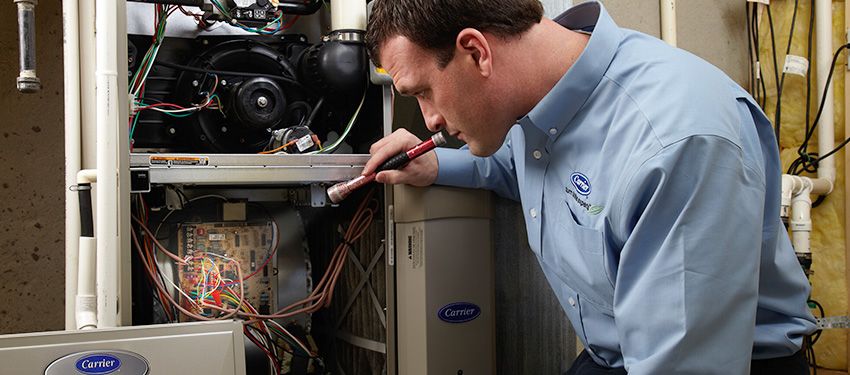
If your heater fails, you'll notice. Often it's possible to repair your furnace, however ultimately you may require to acquire a new unit. When setting up a heater becomes your https://furnace-repair-calgary.ca/advantages-and-disadvantages-of-common-heating-options-for-your-home/ finest alternative, think of these important cost considerations before purchasing.
Discover the right heating system
The very first thing you'll need to consider is the type of heating system to set up. Given that most heaters last in between 15 and twenty years, possibilities are the options now available didn't exist when your initial system was bought.
The most typical residential heater is powered by gas. The expense of a standard performance gas heating system varies from $2,250 to $3,800. You may sustain greater costs, depending on the complexity of the set up or if you select a higher effectiveness unit.
Oil heating systems preceded gas and are still readily available in some states, however these furnaces tend to be less efficient. They cost $2,200 to $2,500 to install, possibly more if existing duct work requires to be adapted. According to CostHelper.com, factors such as hard-to-reach ductwork, a complex floorplan or a bigger, more energy efficient unit can press the rate as high as $10,000.
You can also choose to install electric heat, which comes from small signs up located around the border of each room. Although the cost of installation averages between $1,800 and $2,700, this type of heat source isn't a great concept for heating large spaces and comes with high energy costs.
One newer choice acquiring popularity is a heatpump, which draws in heat from the air or ground utilizing refrigerant coils. These heating systems can be used as a/c systems in summertime, however lots of can't operate in incredibly cold climates, limiting their effectiveness.
Heating system effectiveness
Gas furnaces feature a host of choices which can impact their price.
The very first is heat output, determined in British Thermal Units (BTUs); an "average" house is well served by a 60,000 BTU heating system. Systems with higher BTU score aren't necessarily better for smaller sized houses, considering that they'll cost more and hit perfect temperature levels too rapidly, then shut off, leading to an inconsistent comfort level.
Heater efficiency is the next consideration. Older-model furnaces were frequently ranked 80 percent effective or less, which means 20 percent of the heat created was lost to squander. http://www.bbc.co.uk/search?q=hvac Many new designs are ranked 90 percent or better, with some in the 94 to 95 percent variety. This little jump in effectiveness equates to a reduction in utility costs
It's also essential to figure out how successfully a gas heater can heat your house, in large part determined by its "staging." Older heaters were one stage, indicating they always ran at complete power. Lots of newer heating systems are two stage, capable of performing at 65 percent when first launching to save fuel, and after that ramping up to 95 percent as needed. More pricey three stage designs likewise exist, which can run anywhere from 33 to 90 percent power in 1 percent increments.
Furnace labor expenses.
Setting up a heater likewise features labor expenses. The price of labor isn't fixed, but numerous business charge approximately $75 per hour for a certified installer and $50 for a helper. For an 8-hour install, this concerns $1,000 for labor alone. Install costs may run higher if substantial duct repair or modification is required, or if a new heating system is substantially smaller or bigger than an existing system.
Two service warranties govern furnace installs and function. The first is the maker's warranty, which comes with the heater and secures against flaws in the furnace itself, such as unusable fans or pilot lights that won't remain lit. A professional's service warranty covers the labor involved to make repairs if the heater does not work effectively and is often good for a duration of 5 to ten years. Some professionals charge more for extended guarantees.
Make sure to get any warranty in composing; likewise make certain that it specifies precisely what gets covered, for for how long and what the contractor will do to repair the problem. Although the costs of setting up a heating system differ significantly, you can prevent cost risks by doing your own research.